

Keeping a pet healthy is more than annual vet visits and a good diet. True pet care is holistic: it protects overall health, supports mental well‑being, and—most overlooked—maintains excellent pet dental hygiene. This comprehensive guide brings these pillars together so you can build a daily routine that adds quality years to your dog’s or cat’s life.
Why Pet Dental Belongs at the Center of Pet Care
A shiny coat, bright eyes, and playful energy often signal good health, but the mouth tells the deeper story. By age three, most dogs and cats have some form of periodontal disease. Untreated plaque hardens into tartar, gum inflammation progresses to infection, and bacteria can spread to the heart, liver, and kidneys. In practical terms, poor pet dental care can cause:
- Chronic pain and tooth loss that affects eating and behavior
- Bad breath (halitosis) that indicates underlying disease
- Systemic illness due to bacterial spread through the bloodstream
- Higher veterinary costs down the road for extractions and treatment
Putting pet dental at the heart of your overall pet care plan prevents these problems and supports whole‑body health.
Understanding Dental Disease in Pets (Fast Facts)
- Plaque is a sticky film of bacteria that forms on teeth daily.
- Tartar (calculus) is mineralized plaque—rough and yellow-brown—that adheres to teeth.
- Gingivitis is early gum inflammation: redness along the gumline, mild swelling, and bad breath.
- Periodontitis is advanced disease: gum recession, infection, bone loss, loose teeth, and pain.
- Resorptive lesions (cats) and fractured teeth (dogs who chew hard objects) require prompt veterinary care.
Key takeaway: Daily prevention is simpler, safer, and cheaper than treating established disease.
The 5-Part Daily Pet Dental Routine
You don’t need an hour each day to protect your pet’s mouth. Consistency beats perfection. Combine these steps for maximum impact.
1) Tooth Brushing (Gold Standard)
- Frequency: Aim for daily; even 3–4 times per week helps.
- Tools: A pet-specific soft brush or finger brush and enzymatic pet toothpaste (never human toothpaste).
- Technique: Lift the lip, angle bristles at 45°, and gently brush the outer surfaces in circular motions. Reward with praise or a dental treat afterward.
- Training tip: Start by letting your pet lick the toothpaste for a few days; then touch the brush to a few teeth; build up gradually.
2) Dental Diets & Kibble Texture
Certain veterinary dental diets are designed to mechanically scrub teeth as pets chew. If brushing is difficult, using an approved dental diet can significantly reduce plaque and tartar.
3) Dental Chews & Toys
- Look for VOHC‑accepted (Veterinary Oral Health Council) products where available; these meet testing standards for plaque/tartar reduction.
- Avoid excessively hard chews (bones, antlers, hooves, hard nylon) that can crack teeth. A rule of thumb: if you can’t make a fingernail dent in it, it may be too hard.
4) Water Additives & Oral Rinses
Some additives reduce oral bacteria and freshen breath. Use them as adjuncts, not replacements for brushing.
5) Professional Cleanings
- Frequency: Typically every 6–18 months depending on breed, age, home care, and risk.
- What to expect: Under anesthesia, your vet scales above and below the gumline, polishes teeth, takes dental X‑rays, and treats or extracts diseased teeth as needed.
- Why anesthesia matters: It allows deep cleaning and imaging where disease hides; “awake” cleanings only scratch the surface.
Holistic Pet Health: How Dental Care Fits In
Mouth health influences the entire body. Integrate pet dental with broader pet care essentials:
Nutrition & Weight
- Feed balanced, AAFCO‑compliant diets (or your local regulatory equivalent).
- Maintain a lean body condition score to reduce inflammation and lower lifetime disease risk.
- For pets prone to tartar, combine a dental diet with brushing for best results.
Hydration
Adequate water supports saliva production, which naturally buffers acids and washes away bacteria. Encourage drinking with multiple bowls or a pet fountain.
Preventive Veterinary Care
- Annual (or semiannual for seniors) wellness exams catch subtle dental changes early.
- Vaccinations, parasite control, and routine bloodwork complement oral health by lowering systemic burden.
Mental Health & Enrichment
Stress can worsen oral inflammation and reduce appetite. Daily play, enrichment puzzles, gentle training, and predictable routines support overall health—and make dental care easier.
Breed & Age Considerations
Some pets need intensified pet dental strategies:
- Small-breed dogs (e.g., toy breeds) often have crowded teeth and faster tartar buildup—brush daily and schedule more frequent professional cleanings.
- Brachycephalics (short-nosed breeds) may have misaligned teeth; use soft brushes and inspect often.
- Cats can develop tooth resorption; watch for jaw chatter, dropping food, or pawing at the mouth.
- Seniors are more prone to periodontitis; monitor weight, gum color, and chewing habits closely.
Spotting Dental Problems Early
Contact your vet if you observe any of these red flags:
- Persistent bad breath
- Red, bleeding, or receding gums
- Yellow/brown tartar at the gumline
- Drooling, pawing at the mouth, or face rubbing
- Reluctance to eat, chewing on one side, or dropping food
- Loose, broken, or missing teeth
- Behavior changes (withdrawn, irritable); pain often appears as a “mood change”
Early intervention preserves teeth and prevents pain.
Step‑by‑Step: Train Your Pet to Accept Tooth Brushing
A positive, gradual approach turns brushing into a simple, two‑minute ritual.
- Association (Days 1–3): Offer a tasty pet toothpaste on your finger. Reward calm interest.
- Muzzle Touch (Days 4–6): Gently lift the lip for one second, reward, and release.
- Finger Rub (Days 7–10): Rub toothpaste along outer teeth with your finger.
- Introduce Brush (Days 11–14): Touch brush to a few front teeth.
- Expand Coverage (Weeks 3–4): Increase time and reach molars where tartar accumulates.
- Routine: Brush at the same time daily—after dinner or before bedtime works well.
Keep sessions short and upbeat; finish with a favorite game or dental chew.
Home Dental Toolkit Checklist
- Soft pet toothbrush or finger brush
- Enzymatic pet toothpaste (never xylitol or fluoride human paste)
- VOHC‑accepted dental chews or dental diet
- Water additive/oral rinse (optional)
- Pet-safe wipes or gauze for quick gumline wipes on busy days
- Calendar or app reminders for daily brushing and professional cleanings
Frequently Asked Questions (FAQ)
Q: My pet won’t let me brush. What’s the next best step?
A: Combine a dental diet with VOHC‑accepted chews and a water additive. Continue gentle desensitization training; even partial brushing of the outer molars a few times a week makes a difference.
Q: Is anesthesia‑free dental cleaning safe?
A: It may polish visible surfaces but cannot clean below the gumline or take X‑rays, so disease can be missed. For thorough care and comfort, veterinary, anesthetized cleanings are the standard.
Q: How do I know if a chew is too hard?
A: Use the “thumbnail test.” If you can’t dent it with your nail, it may crack teeth. Choose flexible or textured chews designed for dental use.
Q: Can cats be trained to accept brushing?
A: Yes. Go slower, use a soft finger brush, and pair with lickable treats. Many cats accept a 30–60‑second daily routine after gradual conditioning.
Q: Does dry food clean teeth?
A: Regular kibble offers minimal scraping. Dental‑formulated diets are different: larger, fibrous kibbles that resist crumbling and mechanically clean while chewing.
A 10‑Minute Weekly Pet Care Audit
Use this fast checklist to keep your pet’s health optimized:
- Teeth & Gums: Lift lips; check for redness, swelling, or tartar.
- Breath: Note any lingering odor.
- Eating: Watch for slow chewing or dropping food.
- Weight & Body Condition: Feel ribs easily? No widening waist?
- Hydration: Clean bowls, fresh water, good intake.
- Activity & Mood: Normal play and social interaction?
- Grooming: Coat shine and skin health aligned with diet and parasite control.
- Calendar: Confirm next professional dental cleaning and wellness exam.
This micro‑routine catches small issues before they become emergencies.
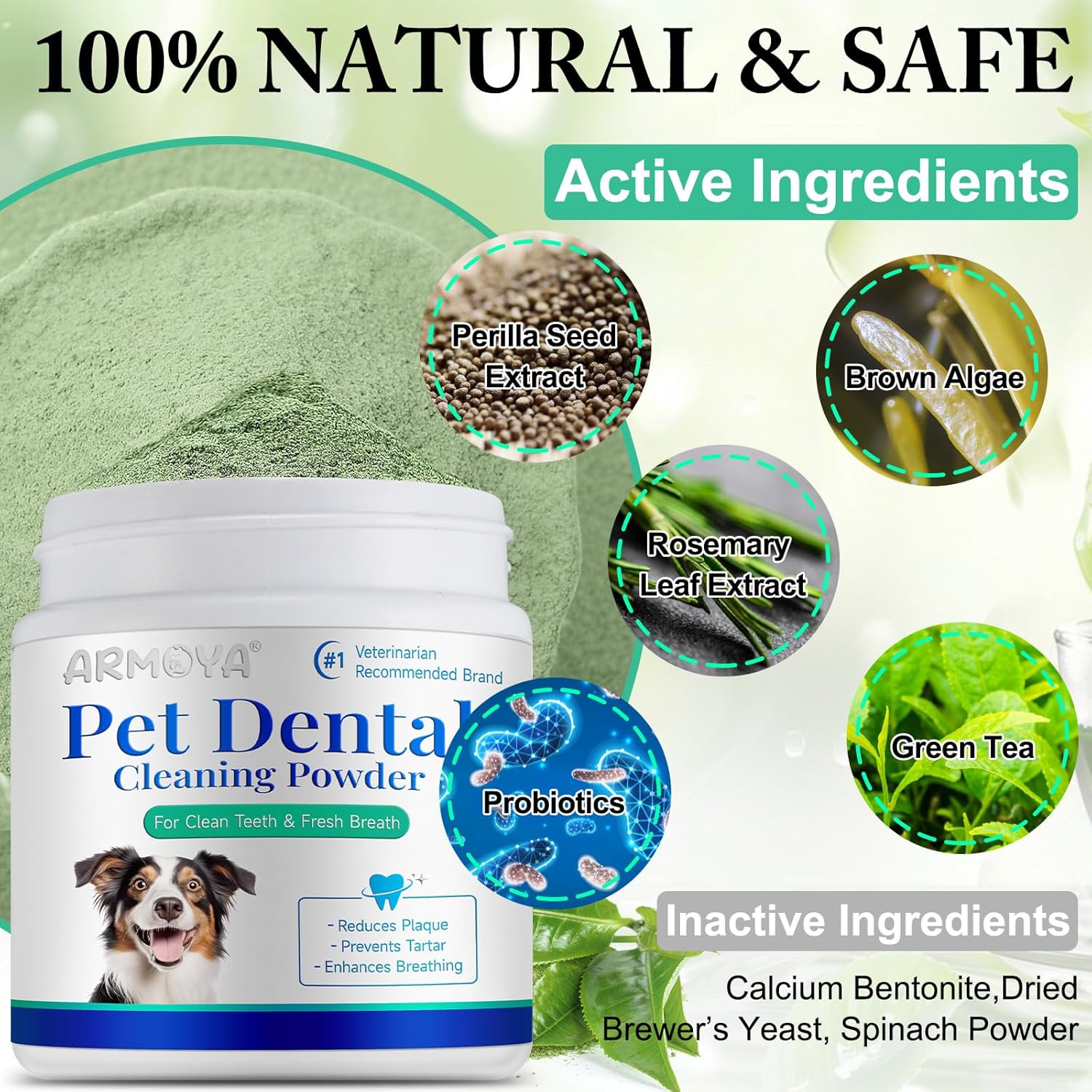
Dog Dental Powder – Teeth Cleaning Powder for Dogs
Check Out Now!


